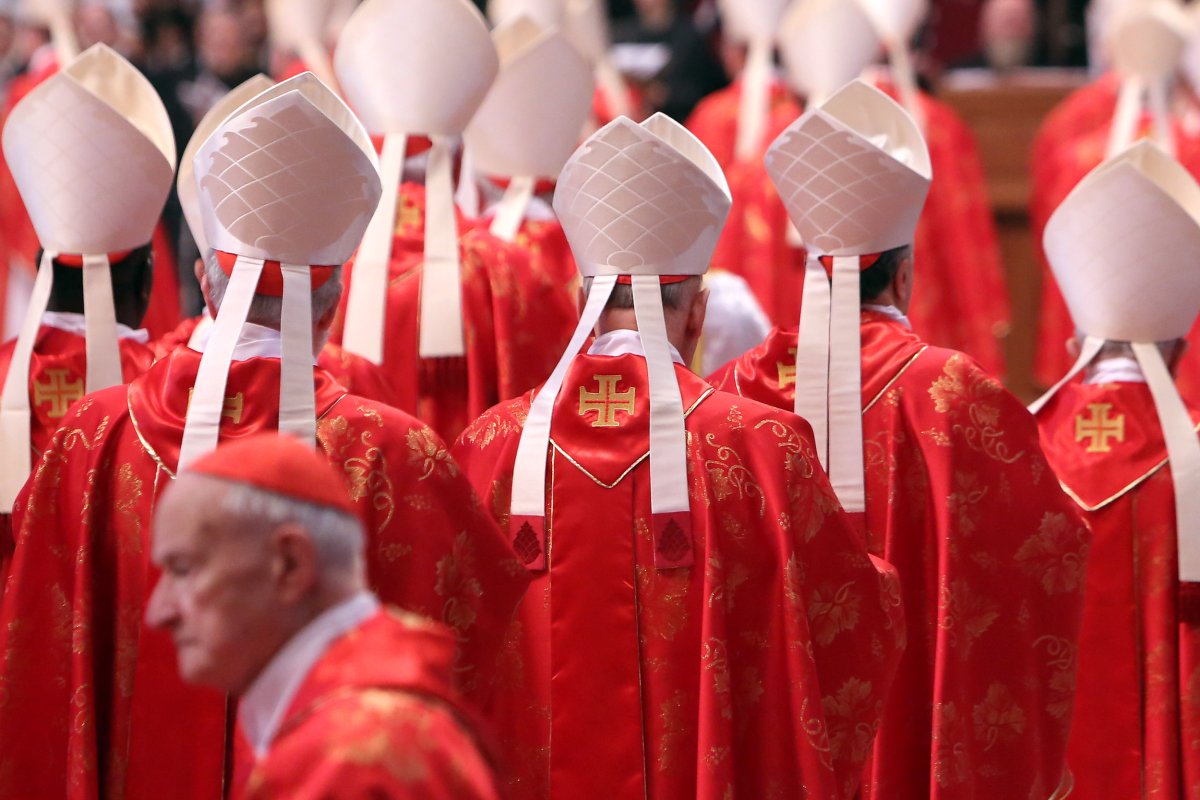
Vatican City – The Vatican announced that the centuries-old tradition of the papal conclave, through which a new head of the Catholic Church is elected, will commence on May 7. Vatican spokesperson Matteo Bruni made the official confirmation.
This announcement follows the solemn funeral of Pope Francis on Saturday, which drew world leaders and hundreds of thousands of mourners to the Vatican to pay their respects. Pope Francis passed away on Easter Monday, April 21, at the age of 88, after a prolonged period of ill health that included weeks of hospitalization.
Bruni stated that the start date of the conclave was decided after a fifth general congregation of cardinals held earlier on Monday, attended by over 180 cardinals. Of these, slightly more than 100 will be eligible to vote in the upcoming conclave, as cardinals aged 80 and above are not permitted to cast ballots.
During the congregation, several cardinals addressed various pertinent issues facing the Church and its relationship with the wider world. Discussions also centered on the qualities and abilities a new pope would need to navigate the challenges ahead.
A special mass is scheduled for the morning of May 7, with the first round of voting expected to take place in the afternoon, local time. Bruni noted that some cardinals had informed the Vatican of their delayed arrival due to health reasons, though further details were not provided.

Following the burial of Pope Francis, a traditional nine-day period of mourning rites is expected to be observed.
While it is customary for the conclave to be held within 15 to 20 days after the passing of a pope, the Holy See had until now refrained from releasing specific details about the gathering. Bruni explained that the May 7 start date was chosen to allow sufficient time for necessary preparations.
The term “conclave,” derived from the Latin phrase meaning “with key,” refers to a Church tradition that originated in 1268. A particularly protracted papal election at that time, lasting nearly three years, only concluded when residents of Viterbo, Italy, famously locked the cardinals in until a new pope was chosen.
Since then, the process has become considerably more streamlined. Both Pope Francis and his predecessor, Pope Benedict XVI, were elected within approximately two days.